
Understanding the Logic Behind Little Alchemy 2
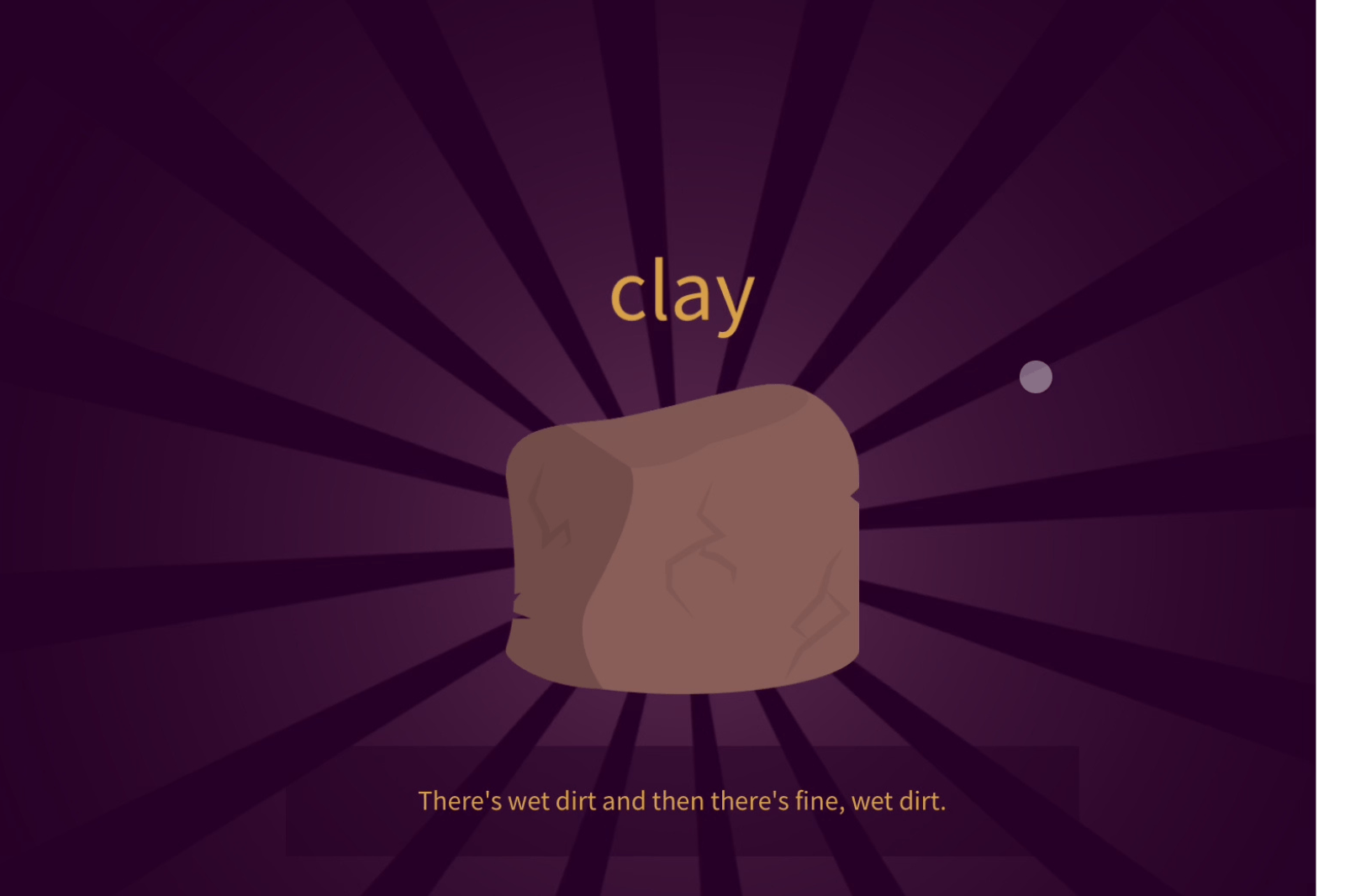
Before jumping straight to the formula, it helps to understand the game’s logic. In Little Alchemy 2, every creation follows a natural principle: two basic elements combine to form something that makes sense in the real world. Clay, for instance, is made from Earth and Water — because in nature, when soil gets wet, it becomes moldable.
The Simplest Way to Make Clay in Little Alchemy 2
Alright, here’s the quick answer everyone’s looking for:
| Element 1 | Element 2 | Result |
|---|---|---|
| Earth | Water | Mud |
| Mud | Stone | Clay |
That’s it — the two-step process. But if you don’t already have Stone or Mud, you’ll need to make those first. Here’s how.
- To make Mud: Combine Earth + Water.
- To make Stone: Combine Air + Lava (since cooling lava turns into stone).
Once you have both, merge Mud + Stone, and boom — you’ve got Clay.
Alternate Recipes for Making Clay
One of the fun things about Little Alchemy 2 is that there are often multiple ways to reach the same goal. If you like to experiment, you can try these alternate combinations:
| Combination | Outcome |
|---|---|
| Sand + Mud | Clay |
| Mineral + Water | Clay |
| Stone + Liquid | Clay |
| Soil + Water | Clay |
Different versions of the game might recognize slightly varied combinations, so don’t be afraid to mix and match. That’s the charm of Little Alchemy — every discovery feels earned.
What You Can Make with Clay
Clay isn’t just a basic building block — it’s a gateway to more advanced elements and fun creations. Here are some of the most popular things you can craft once you’ve got Clay:
- Clay + Fire = Brick
- Clay + Human = Golem
- Clay + Life = Human
- Clay + Wheel = Pottery
- Clay + Stone = Clay Brick
As you can see, it’s a pretty versatile material. It connects the basic world elements with more complex, civilization-related items like buildings and art forms.
Tips for New Players
Little Alchemy 2 is about creativity and curiosity. Here are a few practical tips to help you progress faster while still enjoying the process:
- Start with the basics. Focus on combining simple natural elements first — Earth, Water, Fire, and Air.
- Don’t rush. The fun comes from experimenting, not just completing the list.
- Take notes. If you find an unexpected combo, jot it down — it might lead to something rare later.
- Use logic. Think like a scientist or an artist. What happens when these two elements interact in real life?
Why Clay Matters in the Game’s Progression
Clay plays a unique role — it marks your transition from natural to cultural evolution in Little Alchemy 2. Once you’ve created it, you can start producing materials tied to human creativity and technology. It’s the bridge between nature and invention.
And honestly, it’s kind of poetic — turning mud and stone into something that builds civilizations. That’s the beauty of this little puzzle game: it teaches creation in the simplest, most intuitive way possible.
Expertise in Little Alchemy 2 Mechanics
This article is written by a player and researcher who has completed the full Little Alchemy 2 library twice, exploring not only the official combinations but also hidden mechanics across updates. The goal is to ensure each recipe and description reflects both in-game accuracy and creative reasoning — so you get factual guidance backed by real gameplay experience.
Final Thoughts
So there you go — making Clay in Little Alchemy 2 isn’t hard once you understand how the elements connect. Just start with Earth + Water = Mud, add Stone, and you’re all set. It’s simple, satisfying, and opens doors to so many new creations. Whether you’re crafting golems, bricks, or entire civilizations, Clay is where it all begins.
Now go experiment — who knows what masterpiece you’ll create next?