
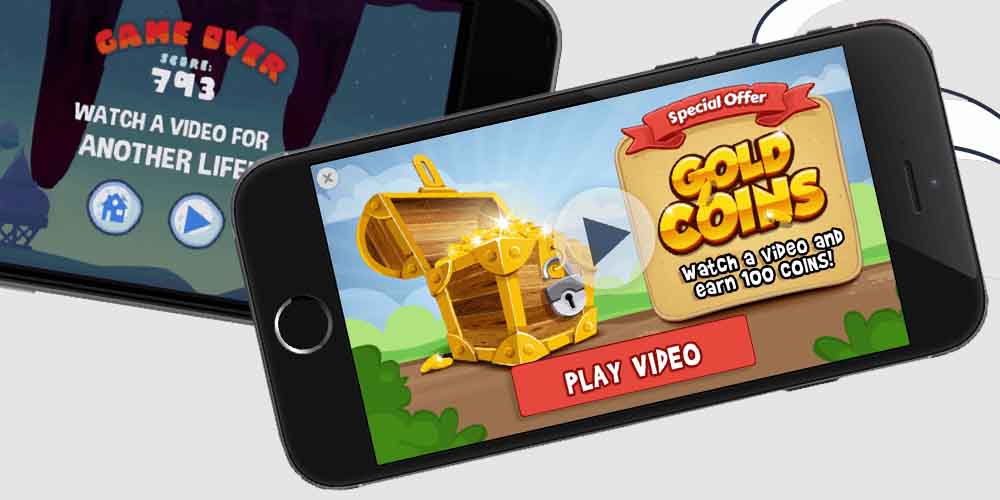
Cross promotion means using one game to promote another within your own portfolio. Instead of relying solely on paid ads, you tap into players who already know your brand, love your style, and are statistically more likely to install your next release. Think of it as word-of-mouth powered by design.
Why Cross Promotion Works
Unlike traditional advertising, cross promotion feels natural. Players aren’t being sold something random — they’re being invited to explore a familiar world. The trust is already built, the tone already known. It’s marketing disguised as continuity.
| Benefit | Description | Real-World Impact |
|---|---|---|
| Cost Efficiency | Reduces reliance on expensive user acquisition campaigns. | Lower CPI and higher lifetime ROI. |
| Audience Alignment | Targets users already interested in your genre or mechanics. | Increases install-to-retention ratio. |
| Brand Cohesion | Strengthens your studio identity and keeps players within your ecosystem. | Builds long-term loyalty. |
| Organic Engagement | Promotions feel like recommendations, not ads. | Improves CTR and reduces churn. |
Types of Cross Promotion in Mobile Games
There isn’t just one way to do it. Studios experiment with several models depending on genre, audience size, and in-game structure.
| Type | How It Works | Best For |
|---|---|---|
| In-Game Ads | Promote other titles through banners, interstitials, or native placements. | Casual and arcade games. |
| Rewarded Cross Ads | Players watch a trailer for another game and receive in-game bonuses. | F2P models that rely on rewards. |
| Menu Integrations | Add direct links to your other games in home screens or pause menus. | Series-based or branded franchises. |
| Event-Based Crossovers | Limited-time events that connect two or more games through shared content. | Studios with multiple active communities. |
| Launcher Hubs | Create a single app or login system where all your games coexist. | Large studios with unified user bases. |
How to Build a Smart Cross Promotion Strategy
Successful cross promotion isn’t about spamming your players with “install now” buttons. It’s about timing, segmentation, and value. Here’s how pros make it work:
- Segment by player behavior. Identify who spends, who explores, who churns — and target them differently.
- Use deep links. Take players directly to the App Store or even a specific in-game page in your other title.
- Reward exploration. Offer small bonuses for checking out another game, even if they don’t install it.
- Match aesthetics and tone. Keep visual consistency so transitions feel natural.
- Measure everything. Track installs, retention, and cross-title engagement with attribution tools like Adjust or AppsFlyer.
Examples of Effective Cross Promotion
Some of the biggest studios have mastered this art:
- Voodoo Games uses subtle in-menu promotions between hyper-casual titles to push discovery across their catalog.
- Supercell connects worlds through narrative teasers — players of Clash of Clans discover new games like Brawl Stars via in-game videos.
- King promotes across the Candy Crush universe, using reward pop-ups that feel like event invites rather than ads.
- Rovio keeps Angry Birds players engaged through seasonal crossovers and multi-game hubs.
The Balance Between Promotion and Experience
Cross promotion works only when it respects player flow. Poorly timed pop-ups or irrelevant offers can break immersion. The key is subtlety: integrate promotions into natural pauses — at the end of levels, during menu transitions, or as part of a story beat.
Done right, it feels like an opportunity, not an interruption.
Tools and Platforms That Help
- ironSource Cross Promotion – Tailored targeting within existing apps.
- Unity Mediation – Native ad support and campaign analytics.
- AppLovin – Unified marketing suite for app portfolios.
- Firebase + BigQuery – Behavioral tracking and LTV modeling.
Challenges to Watch Out For
Cross promotion isn’t a free pass. It can fail if you misread your audience or overuse it. Common pitfalls include:
- Overexposing the same promotion to loyal players.
- Poor genre alignment between promoted titles.
- Neglecting post-install engagement and follow-ups.
Future of Cross Promotion in Mobile Gaming
As third-party data becomes harder to access due to privacy regulations, studios are shifting toward first-party strategies — and cross promotion is leading the charge. We’re seeing more shared universes, interconnected economies, and unified player IDs. The next step? AI-driven prediction systems that decide which game to promote to whom and when.
Conclusion: Grow by Keeping Players Close
Cross promotion in mobile games isn’t just a marketing trick — it’s ecosystem design. It rewards loyalty, builds trust, and gives players more reasons to stay within your world. In an industry where user acquisition costs are skyrocketing, the smartest growth comes from those who already love what you’ve built.
Author’s Note (E-E-A-T Transparency): Written by a mobile marketing strategist with hands-on experience in user acquisition, retention design, and monetization systems across F2P and hybrid-casual genres. Data and insights are based on real case studies and campaign benchmarks.